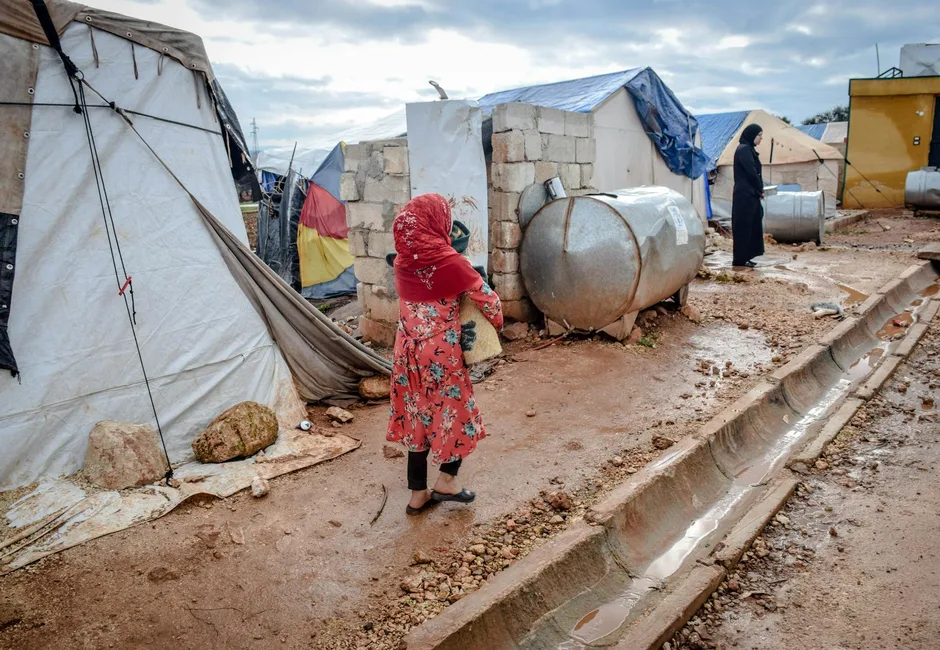
In a move that could bring a glimmer of hope for many Syrians, the World Bank recently announced the allocation of a grant worth 225 million US dollars for the benefit ofSyriaThis large amount, which equals hundreds of billions of Syrian Pounds, is not allocated to just any sector, but aims directly to improve the water and health sectors, which are two fundamental pillars in the life of every citizen. So what does this support mean, and how can the ordinary Syrian citizen feel its impact in their daily life?
Water: The Renewable Lifeline
Imagine waking up every morning to find clean drinking water permanently available in your home, without worrying about interruptions or its quality. This is the primary goal of a significant portion of this grant. In cities like Aleppo and Damascus, and even in remote villages in governorates such as Daraa or Sweida, water networks suffer from significant challenges, whether due to dilapidated infrastructure or a lack of maintenance. According to reports, a portion of these funds will be used to rehabilitate old water treatment plants and renew sewage and potable water pipes.
This will likely reduce the rate of waterborne diseases transmitted by contaminated water, such as diarrhea and typhoid fever, especially among children. When water is clean and safe, hospital visits decrease, and families save money that they used to spend on buying bottled water or medicines. This, in turn, reflects a direct improvement in the purchasing power of the Syrian Pound within the household and alleviates the daily financial burden on citizens.
Health: Better care for all
The health sector inSyriaImmense challenges are faced, from a shortage of medicines and equipment to immense pressure on hospitals and health centers. Millions of Syrians in Homs, Latakia, Tartus, and even Deir ez-Zor, need better health services. This support from the World Bank is expected to make a tangible difference in this area.
The funds are likely to be used for rehabilitating damaged hospitals and health centers, providing essential medical equipment, and purchasing necessary medicines. Imagine that you or a family member needs a doctor or treatment, and finds it more readily available and of better quality at the nearest health center. This means reduced waiting times, faster diagnosis, and effective treatment. This improvement in health services is not only reflected in the health of individuals but also enhances society's capacity for production and work, which supportsThe Syrian Economyindirectly.
Broader impact on the Syrian economy and the citizen's life
Some may not see the direct relationship between a grant like this andSyrian PoundHowever, the truth is that good health and access to clean water are fundamental to any strong economy. When a population is healthy, they are more capable of working and producing, which increases overall income and reduces financial burdens on the state and households.
These projects are also expected to contribute to providing temporary job opportunities in construction and maintenance, offering income for some families. Moreover, improving water and sanitation infrastructure is a long-term investment that reduces future expenses on emergency repairs and enhances environmental and health sustainability. According to reports, this grant represents an important step towards strengthening the resilience of the Syrian citizen and tangibly improving their daily quality of life, even if the challenges remain significant.
In conclusion, the World Bank grant of 225 million dollars is not just numbers on paper, but an investment in the futureSyriaIt aims to improve the daily life essentials for citizens, from a clean cup of water to an affordable doctor's visit. It is a positive step towards building a healthier and more resilient society, which will necessarily reflect on the stability ofThe Syrian EconomyAnd valueThe Syrian PoundIn the long term.