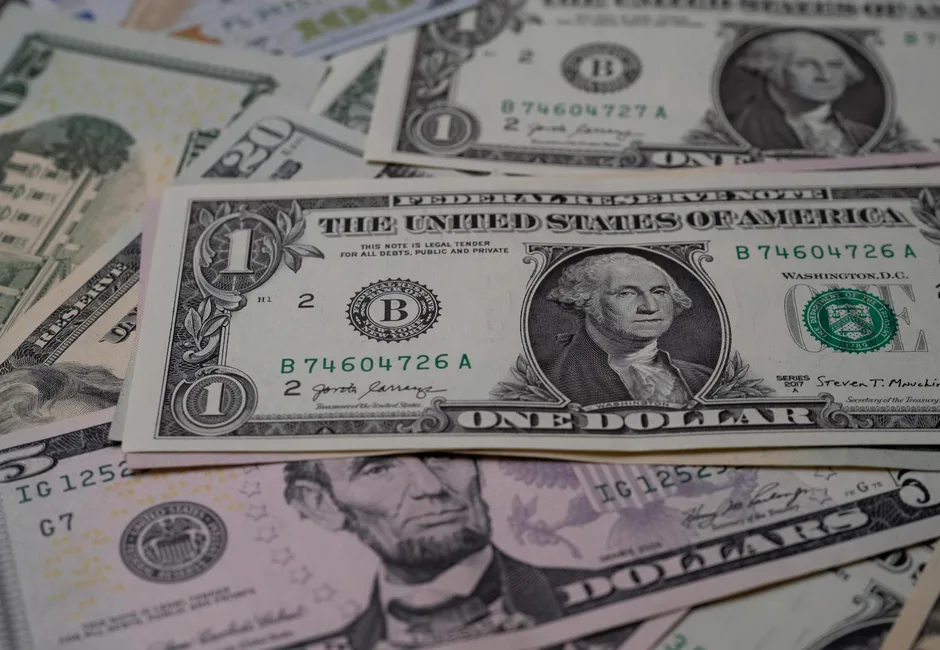
Syrians everywhere, from the housewife in Damascus to the merchant in Aleppo, follow the exchange rates of the US dollar against the Syrian pound with daily eagerness. Every movement, up or down, translates directly into a change in the prices of the goods they consume, and into the extent of their ability to secure their basic needs. Today, Wednesday, April 22, 2026, the dollar exchange rate witnessed relative stability in the parallel market, recording approximately 22,500 Syrian Pounds per US dollar in most major cities, with slight differences that may reach 100-200 Pounds between Damascus, Aleppo, and Latakia.
How does the exchange rate affect your daily basket?
When we talk about the dollar price, the matter may seem complex at first glance, but in reality, it touches every detail in our lives. Imagine you go to buy a kilo of rice or a bottle of oil in the Homs or Sweida market; these goods, even if locally produced, are affected by production costs that largely depend on the dollar. Imported fertilizers, transportation fuel, and even spare parts for agricultural and industrial machinery are priced in foreign currency. This means that any change in the dollar price is immediately reflected in the cost of the final product that reaches the consumer, making the family budget vulnerable to constant fluctuations.
Direct impacts on vital sectors
The impact of the dollar exchange rate is not limited to the food basket alone, but extends to encompass other vital sectors. For instance, the pharmaceutical sector, on which Syria heavily relies for importing its raw materials, is severely impacted. Any increase in the dollar's price directly translates to a rise in medicine prices, burdening patients and families. Similarly, spare parts traders in Aleppo, who depend on importing most of their goods, find themselves in a race against time to price their merchandise before the lira's value changes. This pattern is expected to persist as long as most essential inputs for production and trade remain tied to foreign currencies.
Challenges of Purchasing Power and the Future of the Syrian Economy
The stability of the dollar at high levels, even if it is relative stability, means the continued erosion of the purchasing power of the Syrian citizen. The salary of an employee or worker, which was sufficient to buy certain goods years ago, no longer covers a small fraction of them today. This situation pushes many to search for additional sources of income, or to rely more heavily on external remittances from relatives. According to economic reports, improving this situation requires serious economic steps to increase local production and reduce reliance on imports, in addition to strengthening the value of the Syrian pound through stable monetary and economic policies. It is likely that we will witness efforts to regulate markets and control prices, but the biggest challenge remains in achieving sustainable economic growth that benefits everyone across Syria, from rural Daraa to Deir ez-Zor.
Looking Ahead: Hopes and Expectations
Despite the challenges, hope remains for an improvement in economic conditions. Many are striving to adapt to the new reality and search for opportunities within available capabilities. Some local initiatives, especially in the agriculture and small industries sectors in Tartus and Hama, show the potential for achieving some self-sufficiency and reducing pressure on foreign currencies. The role of the website 'Syrian Pound Today' remains to provide a clear and simplified picture of the economic reality, and to help the Syrian citizen understand these figures and their implications, so that they can make better financial decisions amidst these complex economic circumstances.