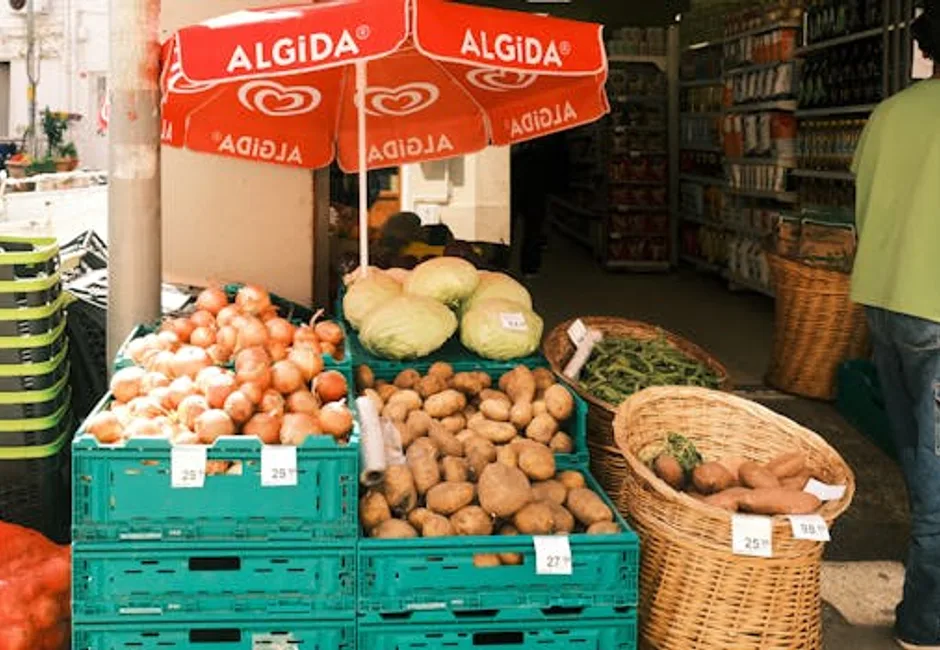
Syrian markets have recently witnessed a rapid and unprecedented wave of price increases affecting most essential and non-essential goods. This continuous rise in living costs raises deep concern among citizens in various Syrian cities, from Damascus and Aleppo to Homs and Latakia, placing immense pressure on their income and their ability to secure their daily needs. Discussion of the erosion of purchasing power and the deterioration of living standards has become the main preoccupation of every family, amidst increasing economic challenges.
Causes of Inflation and Its Direct Impact
The underlying reasons behind this sharp rise in prices are multiple and complex. Globally, raw material and shipping prices are witnessing significant increases, which directly reflects on the cost of importing goods into Syria. Locally, internal factors are expected to contribute to this inflation, such as challenges in local supply chains and rising production and operating costs. These factors combined lead to a continuous decline in the value of the Syrian Pound, meaning that obtaining the same quantity of goods now requires spending much larger amounts than before. The direct impact of this situation is that essential goods such as food, fuel, and medicine become out of reach for a wide segment of the population.
Syrian households face livelihood challenges
The Syrian citizen today faces a daily battle to secure their daily sustenance. The monthly salary, which barely sufficed to cover a portion of expenses, now only serves its purpose for a few days. This situation forces families to radically reorder their priorities, and they may have to give up many needs that were previously considered essential. According to reports, the average income no longer matches in any way the escalating cost of living, which places a significant psychological and material burden on the head of the household and working individuals. In markets such as Souk Al-Hal in Damascus or the old markets of Aleppo, traders and citizens alike observe rapid daily changes in the prices of vegetables, fruits, and other foodstuffs.
The Erosion of the Syrian Pound's Value and its Impact on the Economy
The continuous decline in the value of the Syrian Pound is the main driver of this living crisis. With every decline, the citizen loses a part of their savings and their purchasing power. This situation negatively affects the Syrian economy as a whole, as planning for the future becomes difficult for institutions and individuals alike. Imports become more costly, which raises the prices of imported goods, and even local products are affected by the rise in prices of imported raw materials or energy and transport costs. These pressures are likely to continue as long as economic challenges persist, requiring everyone, individuals and institutions, to adapt to a new reality that is strongly imposing itself.
Practical Tips for Overcoming the Economic Crisis
Under these difficult circumstances, planning and management become an imperative. Here are some practical tips that may help alleviate the burden of the crisis:
- Budget Preparation:Accurately determine your income and expenses. Focus on meeting basic needs first (food, rent, medicine) before considering luxuries.
- The Search for Alternatives:Consider replacing expensive goods with less costly alternatives, such as purchasing local seasonal products, which are often cheaper, or seeking out less well-known brands that offer acceptable quality.
- Wholesale Purchasing and SharingIf possible, try to buy some basic necessities in larger quantities to save money in the long run, or partner with your neighbors and friends to buy large quantities and share them.
- Optimizing ConsumptionReduce food, water, and electricity waste. Every drop, every bite, and every watt save you money.
- Leveraging Skills:If you possess a specific skill, consider leveraging it to save on some expenses or even generate additional income.
- Information Search:Monitor market prices continuously and compare between different stores. You may find significant differences between one store and another, even in the same city, whether in Tartus or Daraa.
Awareness of the economic situation and its challenges, and the search for individual and collective solutions, is our first step towards adapting to this reality. The Syrian Pound Today website aims to provide you with useful information to help you face these challenges.