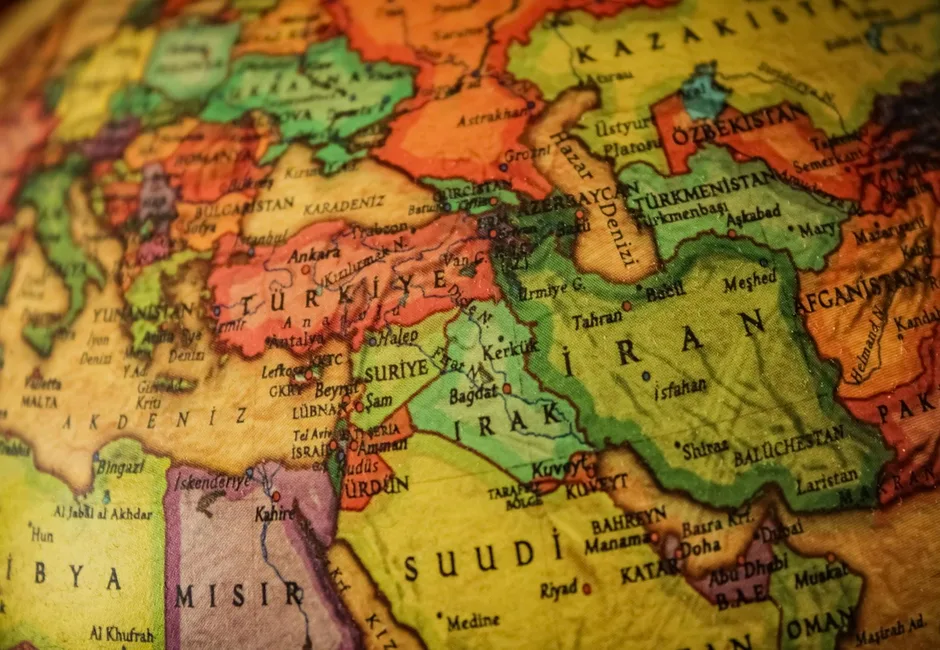
In a positive step towards enhancing economic stability in the region, the capital Damascus is currently hosting intensive discussions between high-level Syrian and Jordanian delegations. These meetings aim to explore ways to develop bilateral economic relations and overcome obstacles to trade movement between the two countries. The focus on these talks reflects a shared desire to revitalize markets and provide new opportunities for the Syrian economy, which is expected to positively impact the life of the Syrian citizen directly.
Facilitating the movement of goods and reducing prices
One of the most prominent goals of these discussions is to simplify logistical and customs procedures at the borders, especially at the Nassib-Jaber crossing. Facilitating the passage of trucks and goods is likely to reduce operational costs for importers and exporters alike. According to reports, this simplification will lead to the faster arrival of goods to Syrian markets, and consequently, this is likely to be reflected in a decrease in the prices of some products imported from Jordan or passing through it. Imagine finding fresh vegetables and fruits at better prices in the markets of Damascus and Aleppo, or raw materials necessary for local industries in Aleppo and Homs arriving at a lower cost, which contributes to supporting local production and bolstering the stability of the Syrian Pound.
Opening new horizons for Syrian products
Economic cooperation is not limited to importing goods only, but extends to include opening new export markets for Syrian products. Syria possesses many high-quality agricultural and industrial products, from citrus and olives on the coast to textile products in Aleppo, and handicrafts from Damascus. Facilitating exports to Jordan, and from there to other regional markets, will enhance the ability of Syrian producers to sell their products, providing them with additional income in foreign currencies. This inflow of hard currency is vital for supporting the Syrian economy and stabilizing the exchange rate of the Syrian Pound, and helps create new job opportunities in the agricultural and industrial sectors in cities like Daraa, which is considered an important gateway for trade.
Investment and Developmental Opportunities
Improving the economic cooperation environment opens the door to mutual investment opportunities. This rapprochement is likely to encourage Jordanian businesspeople to invest in various sectors within Syria, such as agriculture, industry, or logistics. These investments, though in their infancy, can contribute to the reconstruction of some areas, revitalizing affected sectors, and providing new job opportunities for Syrian youth. This cooperation is also expected to enhance the exchange of expertise and technical knowledge between the two countries, which will drive development in vital and important sectors for the Syrian economy.
Practical Tips for the Citizen and the Merchant
How can the Syrian citizen benefit from this rapprochement? First, be prepared to see greater diversity in markets and a potential decrease in the prices of some goods. Second, for traders and small business owners, this is the right time to study the Jordanian market and its needs, and to think about how to develop your products to meet international standards. According to reports, improving quality and adhering to standard specifications is the key to success in any foreign market. It is also advised to look for potential partnerships with your Jordanian counterparts to benefit from new opportunities. Economic cooperation is not just governmental negotiations, but an opportunity for every individual to contribute to building a better future for the Syrian economy.
In conclusion, these discussions are considered an important step on the path to Syria's economic recovery. Enhancing trade cooperation with Jordan is likely to bring tangible benefits to the Syrian citizen through improving living standards, providing job opportunities, and supporting the stability of the Syrian Pound. Hope remains pinned on translating these discussions into practical and sustainable measures that benefit everyone.