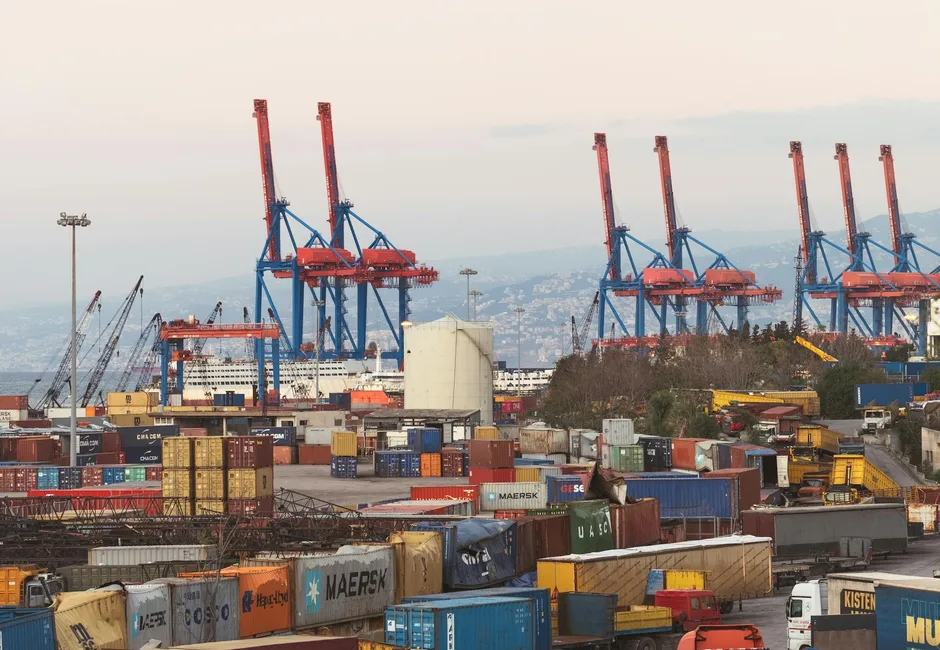
The Ministry of Finance recently hosted an important meeting aimed at developing and improving the performance of land crossings connecting Syria with neighboring countries. This step is not merely routine procedures, but rather an indicator of a trend towards enhancing trade and facilitating the passage of individuals and goods, which has a direct and indirect impact on the lives of every Syrian citizen and on the stability of the Syrian Pound.
Why is the development of land crossings very important for the Syrian economy?
Land crossings are considered the vital arteries that feed the Syrian economy. Through them, essential goods and raw materials necessary for industry and agriculture are imported, and Syrian products are exported to regional and international markets. When these crossings are efficient and smooth, they reduce transportation costs and the time spent on procedures, which positively reflects on the prices of final goods in the markets of cities like Damascus, Aleppo, and Homs. According to reports, simplifying customs and logistical procedures contributes to increasing the volume of trade, and consequently increasing government revenues in foreign currencies, which is vital for supporting the Syrian Pound.
A direct impact on the Syrian citizen and his pocket
For the average citizen, the development of land crossings means many things. Improving the efficiency of these crossings will likely lead to lower prices for some imported goods, due to a decrease in shipping costs and unofficial fees that may result from complications. It also facilitates the movement of travelers, whether for trade or family visits, saving time and effort. The revival of commercial activity is also expected to create new job opportunities in the transport, services, and storage sectors, which will positively impact unemployment and income levels in many Syrian regions.
The Syrian Pound and Foreign Trade: A Close Relationship
The link between the efficiency of land crossings and the strength of the Syrian Pound is very close. The more Syria's ability to efficiently export its products to neighboring countries such as Jordan, Lebanon, and Iraq increases, the greater the flow of foreign currency into the country. This flow of hard currencies strengthens the Central Bank's reserves and supports the Pound's value in the exchange market. On the other hand, the smooth import of essential goods reduces pressure on the local market and limits inflation, which preserves the purchasing power of the Syrian Pound. Developing crossings also means combating unregulated commercial smuggling, which often drains hard currency and harms national industry and the Syrian economy in general.
Practical Tips for Citizens and Traders to Benefit from Developments
If you are a merchant or importer in cities like Latakia, Tartous, or Daraa, it is important to follow developments related to updating procedures at the crossings. It is advisable to look for new opportunities that may emerge in the import and export of goods, and to take advantage of any new facilities that are announced. For citizens, it is advisable to pay attention to potential changes in the prices of basic goods, and perhaps to plan travel through land crossings after ensuring improved services and procedures. The coming period is likely to witness greater transparency and speed in completing transactions, which will provide a better business environment and positively reflect on daily life.