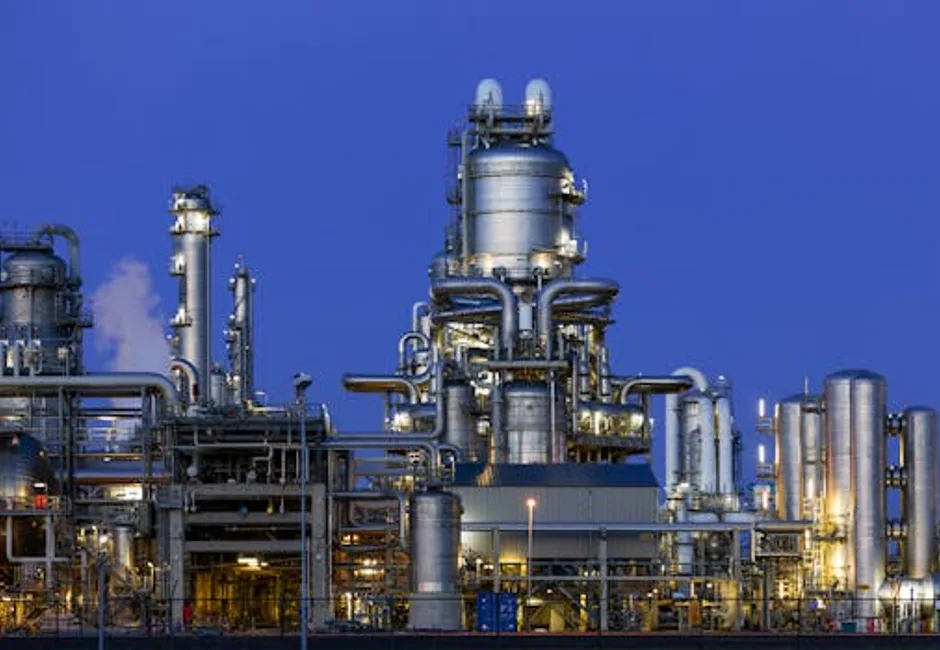
Today, attention within Syria is turning towards the industrial sector as a key driver of economic growth, where the slogan "Industry First" was adopted as a national strategy aimed at stimulating production and alleviating pressure on the trade balance. This approach is not merely a transient economic plan, but an urgent necessity to restore balance to the Syrian local market and ensure the availability of goods at prices commensurate with citizens' purchasing power. Self-reliance in securing basic needs means reducing the need for imports, which directly and positively impacts the value of the Syrian Pound and its stability against other currencies.
When we talk about industry in Syria, we talk about a long history of excellence in textiles, food products, and engineering and chemical industries. Today, this sector returns to take its natural place at the forefront of priorities, with a focus on supporting small and medium factories and workshops that form the backbone of the Syrian economy. The return of industrial cities to full operation means creating thousands of job opportunities for youth, and transforming society from a consumer of imported goods into a producer and exporter of them, which strengthens the national economy and gives it greater flexibility in facing global fluctuations.
How does support for local production impact the life of the Syrian citizen?
The question every citizen in the street asks is: How will I feel this change in my daily life? The answer lies in a simple equation: The more local production increases, the lower the costs. When Syrian products become widely available in the local market, the need for imported goods, which are subject to fluctuations in shipping costs and customs duties, diminishes. For example, if the price of an imported liter of frying oil reaches approximately 28,000 Syrian Pounds, the availability of a high-quality local alternative could reduce this price by up to 20%, saving Syrian families significant amounts monthly.
In addition, increased production means stability in the availability of materials. The citizen will not have to search long for a specific item or worry about its disappearance from the markets. This stability creates a state of psychological and economic comfort, as the family budget becomes easier to plan. Furthermore, supporting local food industries ensures the availability of fresh products at competitive prices, such as dairy products, cheeses, and canned goods, which are essential on every family's table. Currently, the price of a kilogram of local yogurt ranges between 8,000 to 10,000 Syrian Pounds, a price that can be maintained and reduced if production expands and breeders and manufacturers are supported.
Exchange rate stability and its direct impact on purchasing power
The exchange rate in Syria is closely linked to the volume of production and export. When Syria raises the slogan "Industry First," it indirectly aims to protect the national currency. Factories that produce locally save us from paying huge sums in foreign currency to import products that can be manufactured manually or mechanically within the country. This saving in hard currency contributes to the stability of the exchange rate, which prevents sudden jumps in prices that have burdened the citizen for years.
For example, exchange rate stability means that the merchant will not be forced to raise commodity prices daily to hedge against loss. This stability is reflected in everything, from the price of a bundle of tourist bread, which may range around 15,000 Lira, to the prices of clothes and household appliances. The Syrian citizen today seeks price security, and industry is the only guarantee to achieve this security, away from complete reliance on foreign markets and their fluctuations.
The Relationship of Gold to Economic Reality and Industrial Production
In Syrian culture, gold is considered a safe haven for savings and a valuable ornament, and its price is directly affected by global and local economic factors. Currently, the price of a gram of 21-karat gold hovers around the 1,050,000 Syrian Pounds mark approximately. But what is the relationship between gold and industry? When the production sector revives, confidence in the local currency and the economic cycle increases, which reduces people's eagerness to convert their savings into gold or foreign currencies as a form of protection.
The improvement in industrial activity leads to an improvement in income, allowing citizens to invest in productive areas instead of mere passive saving. Furthermore, the gold and jewelry industry in Syria itself is considered one of the long-standing industries that contributes to employing thousands of skilled artisans. Supporting this craft as part of the "Industry First" slogan can restore to Damascus and Aleppo their status as regional capitals for gold trade and industry, providing the economy with important resources and increasing circulation in the local market.
Competition and Quality: The Syrian Product Returns to the Forefront
One of the fundamental pillars for the success of the "Industry First" slogan is focusing on quality. The Syrian product has always been sought after in neighboring markets due to its durability and manufacturing excellence. Today, with the strong return of factories, we find a healthy competition among local producers to first gain the trust of the Syrian consumer. This competition serves the citizen's interest, as they obtain the best specifications at the lowest possible prices.
In the apparel sector, for example, Syrian markets are experiencing significant diversity, with locally manufactured clothing items available that rival international brands in quality, and at very reasonable prices compared to imported goods. While an imported shirt might cost exorbitant sums, an excellent quality Syrian-made shirt can be purchased for a price ranging from 150,000 to 250,000 Syrian Pounds. This competitive capability is what will drive the export engine in the future, leading to the inflow of foreign currencies that support the public treasury and contribute to improving essential services provided to citizens.
A bright future awaits the local economy thanks to production.
Adopting an "Industry First" strategy marks the announcement of a new phase of economic recovery. This phase requires the cooperation of everyone, from the producer striving to offer the best, to the consumer who places their trust in national products. Every Syrian Pound spent on purchasing a local product is, in reality, an investment in a job opportunity for a Syrian youth, a contribution to building a school or hospital, and support for future price stability.
In conclusion, hope remains pinned on the ability of Syrians to create and innovate in various industrial fields. History has proven that Syria possesses the human capabilities and expertise that qualify it to be an outstanding regional industrial hub. With continued support for the production process, we will gradually witness a decrease in inflation rates, an increase in purchasing power, and greater stability in the local market, allowing the Syrian economy to return strong and healthy through the efforts of its people and the hard work of its laborers who have never stopped producing despite all challenges.