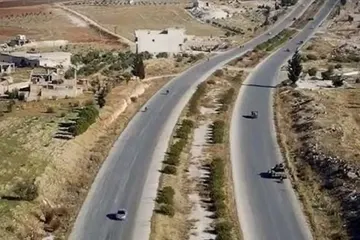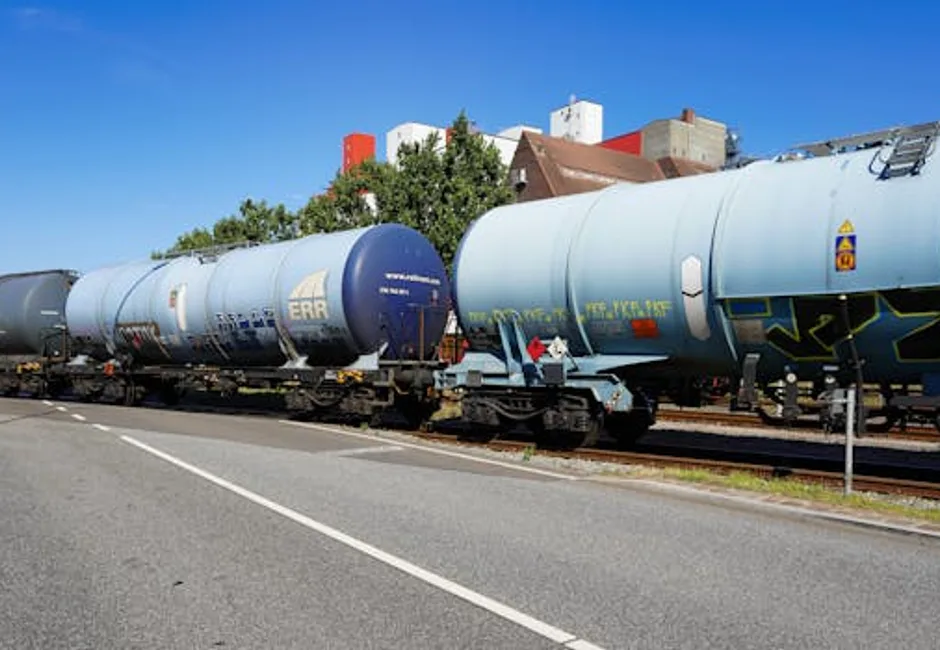
In a significant step towards revitalizing economic activity, the Minister of Transport announced an initiative to revive land and rail corridors connecting Syria with neighboring countries. This strategic approach is viewed as a key enabler for enhancing trade exchange, which in turn is likely to have broad positive impacts on the Syrian economy and citizens' daily lives.
What does the revival of trade routes mean?
The revival of land and rail trade corridors simply means reopening and reactivating the main roads and railway lines that were previously the lifeline for many economic activities. These corridors facilitate the movement of goods and passengers between Syria and neighboring countries, significantly reducing shipping time and transportation costs. For example, instead of relying on longer and more complex routes, trucks and trains will be able to reach their destinations more quickly and efficiently, which will positively impact supply chains.
According to reports, this step aims to reintegrate Syria into the regional trade network, opening new horizons for Syrian products to reach wider markets, and in return, facilitating the import of essential materials and necessary goods at competitive prices. Cities such as Damascus, Aleppo, and Homs, which are major commercial and industrial centers, will be the primary beneficiaries of reactivating these corridors.
The direct impact on the citizen and the Syrian Pound
One of the most prominent anticipated impacts of reviving these corridors is the decrease in prices of goods and commodities in local markets. When transport costs are reduced, this is usually reflected in the final price of products. This means that the Syrian citizen may notice a decrease in the prices of foodstuffs, consumer goods, and even raw materials used in local industries. Furthermore, it is anticipated that the abundance and variety of goods in the markets will increase, providing the consumer with more choices.
Regarding the Syrian Pound, an increase in trade movement, especially exports, will lead to a flow of foreign currencies into the country. This inflow of hard currency can contribute to the stability of the Syrian Pound's exchange rate or even improve it in the medium term, which enhances citizens' purchasing power. The more Syrian exports of agricultural and industrial products increase, such as citrus from Tartous and Latakia, or textile products from Aleppo, the more hard currency will be available in the market.
New Job Opportunities and Stimulating Economic Sectors
The re-activation of trade corridors will not only impact prices and currency, but will also extend to include the labor market. This step is likely to create thousands of new job opportunities in the transportation, logistics, storage, and customs sectors. Factories and companies that rely on import and export will also benefit from the ease of movement, which may encourage them to expand and increase production, consequently creating more jobs.
Sectors such as agriculture and industry will experience a recovery, as farmers in Daraa and Sweida can export their products more easily, and factories in the Hassia Industrial Zone (Homs) can access raw materials at a lower cost. This move towards enhancing trade exchange is an essential part of a broader plan to stimulate the Syrian economy and rebuild its productive capacities.
Practical Tips for Citizens and the Private Sector
For citizens, it is advised to follow market news and changes in commodity prices, and to benefit from any expected decreases in costs. As for the private sector and businessmen, this is a golden opportunity to re-evaluate their commercial strategies, explore new export markets, or search for new suppliers to reduce import costs. It is important to prepare for new opportunities in the logistics and transport sectors, which are likely to witness significant growth.
The revival of land and rail corridors with neighboring countries is a pivotal strategic step towards strengthening the Syrian economy, and is expected to have tangible positive repercussions on the life of every Syrian citizen, through improving living conditions and providing new opportunities.