Amidst the rapid changes our region is witnessing, and with the accelerating pace of reconstruction in many of our Syrian cities, the Syrian citizen finds themselves facing a new economic landscape that holds many hopes and challenges. While some neighboring countries are heading towards deep economic challenges, our focus is on rebuilding what was destroyed and restoring the health of the Syrian economy.
This transformation is not merely about physical construction, but an opportunity to reshape our economic and social priorities. What does this mean for the Syrian citizen, and how can we all contribute to this developmental path while maintaining our livelihood stability?
The Reality of Reconstruction and the Prospects for Opportunities
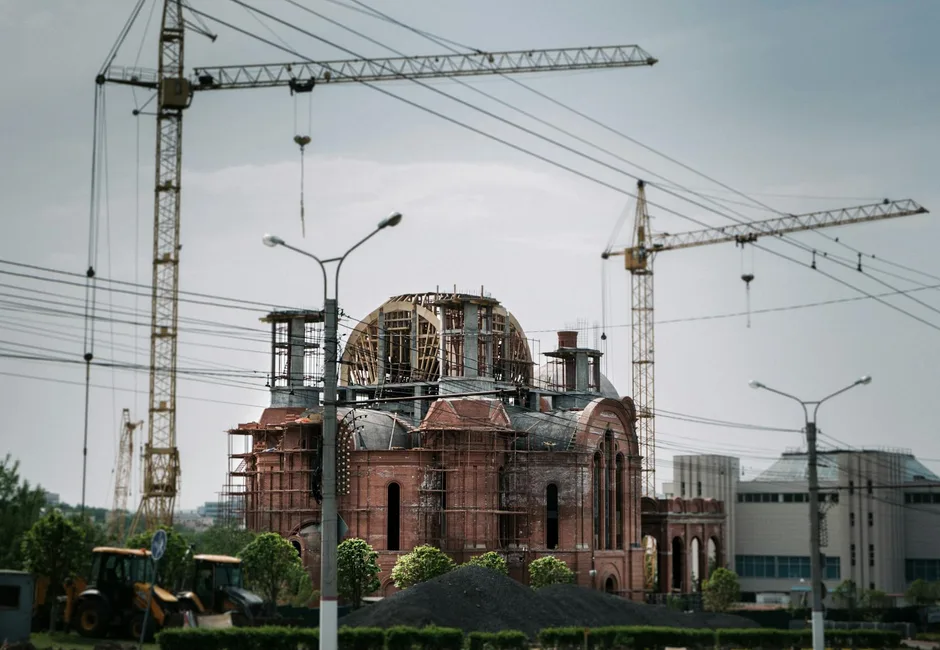
Recent years have witnessed remarkable efforts to rehabilitate infrastructure in several Syrian cities. In Damascus, Aleppo, Homs, and Deir ez-Zor, restoration and reconstruction projects are ongoing, opening new doors for many sectors. The construction and building materials sector is expected to see a strong boost, which in turn will reflect on the demand for labor in the fields of engineering, crafts, and construction.
This process is not limited to buildings; it also extends to encompass the rehabilitation of roads, bridges, and service networks, requiring significant investments and efforts. New job opportunities are likely to emerge in the fields of logistics and transport, as well as in small industries that support these massive projects.
The Syrian Pound and the Economy: Challenges and Hopes
The stability of the Syrian Pound remains a central concern for every citizen. With every fluctuation in the exchange market, everyone's purchasing power is affected. Reconstruction efforts, though slow, contribute to driving the Syrian economy and generating income, which could support currency stability in the long term.
According to reports, increasing domestic production and reducing reliance on imports are two fundamental pillars for strengthening the Lira. When we produce locally in regions like Hama, Daraa, and Aleppo, whether agricultural or industrial products, we save foreign currency and enhance the value of our currency. The challenge lies in providing the appropriate environment for production, including energy, raw materials, and markets for distribution.
Practical Tips for the Syrian Citizen
Under these circumstances, financial and social planning becomes more important than ever. Here are some practical tips to help you adapt and benefit:
- Skills Development:Look for training courses that increase your opportunities in the construction and supporting industries sectors. Skilled craftsmen are always in demand.
- Investment in local production:If you have the ability, consider small projects that rely on local resources, whether agricultural in Ghouta or handicrafts in the old markets of Homs.
- Rationalizing Consumption:Learn to manage your budget wisely, focus on the essentials, and reduce luxuries.
- Collective Thinking:Supporting Syrian products and buying your needs from local markets directly contributes to supporting the Syrian economy and helping your fellow countrymen.
- Planning for the Future:Even if savings are small, thinking about the future and setting financial goals helps build a solid foundation.
The current stage demands patience, perseverance, and diligent work from all of us. Through our collective efforts, we can transform the challenges of reconstruction and the economy into genuine opportunities to build a better future for Syria and for future generations.