Syria has long been known for its unique geographical location, which connects three continents: Asia, Africa, and Europe. This location is not just a point on the map, but it is a real economic treasure that can redefine the course ofThe Syrian EconomyIn full. Recently, talk has been increasing about the concept of "corridor economy" and how it can become a key to reviving Syria, not only as a state, but as a vital center for regional and international trade.
What does "corridor economy" mean?
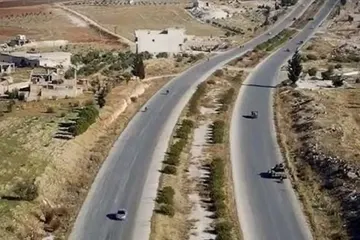
Let's imagine it simply: Just as cars and trucks pass on highways between cities, the "Corridor Economy" means Syria becoming a major corridor for goods, energy (like oil and gas), and even digital data between different regions of the world. Think of it as a massive international highway, where countries and companies pay fees to use this route, which brings hard currency into the country and revitalizes commercial activity in an unprecedented way. This means our location is no longer just a transit point, but has acquired economic and strategic value that is being re-evaluated on the global stage.
Why is Syria's value being re-priced now?
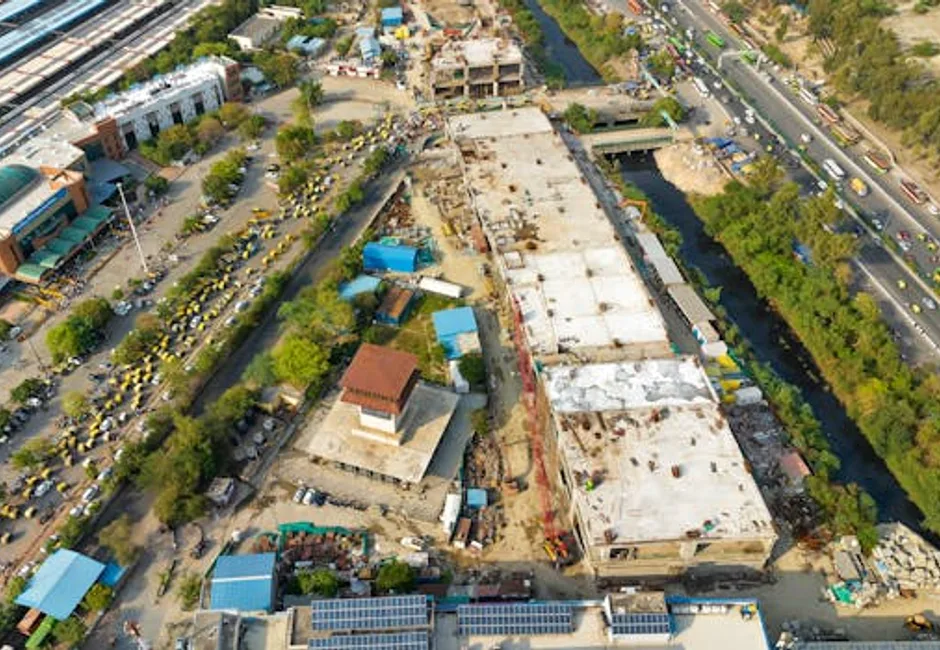
Historically, Syria was a major station on the ancient Silk Road, which connected the East with the West. Today, with geopolitical and economic changes in the region and the world, interest in reactivating these corridors is increasing.It is expectedThis idea is gaining significant momentum, especially as many countries seek shorter, more efficient, and safer trade routes. This new interest in Syria's location as a bridge between the Arabian Gulf and East Asia on one side, and Europe and the Eastern Mediterranean on the other, presents us with a golden opportunity to rebuild and develop our infrastructure, from modern ports in Latakia and Tartus, to advanced road and railway networks connecting Damascus, Aleppo, Homs, and other cities to global trade centers.According to reportsNumerous feasibility studies are currently underway to explore the best ways to utilize this site.
What does this mean for the Syrian citizen and forThe Syrian PoundSyrian economic sources confirmed that the volume of trade exchange between Syria and Russia reached 500 million US dollars in 2023, with an increase of 20% over the previous year. The sources indicated that Syrian exports to Russia focused primarily on agricultural and textile products, while Syria imported fuel, raw materials, and machinery from Russia. The sources expected continued growth in trade exchange between the two countries in the coming years, driven by ongoing bilateral economic agreements and joint projects.
The impact on the Syrian citizen will be significant and very positive. Firstly, thousands of job opportunities will be created in various sectors: from building and developing infrastructure (roads, ports, airports), to logistics services, transport, communications, and even hotels and restaurants that will serve trade movement. Secondly, the flow of foreign currencies resulting from transit fees and investments will directly contribute to supportingThe Syrian Poundand strengthening its purchasing power, which means a potential decrease in the prices of imported goods and an improvement in the standard of living. Thirdly, improving infrastructure will benefit everyone, as modern road and communication networks will facilitate daily life and travel between cities like Hama and Deir ez-Zor, and stimulate domestic and foreign investment.It is likelyWe could witness a genuine economic renaissance if these opportunities are optimally exploited.
How do we leverage this opportunity?
To turn this dream into a reality, it requires a clear vision, massive investments in infrastructure, and updating laws to encourage investment. We must work to make Syria an attractive environment for international companies that wish to use our corridors. This is not limited to roads and ports only, but also includes updating communication networks and developing industrial and logistical zones in cities like Aleppo, Homs, and Damascus. Stability and security are also crucial factors for attracting these investments. Exploiting this strategic location will restore Syria's historical role as a crossroads for civilizations and trade, and contribute to buildingThe Syrian EconomyAgain, on solid and sustainable foundations.