Syria's local economic scene has witnessed remarkable activity recently, with discussions of investment and reconstruction leading financial and developmental talks. As economic entities strive to find new investment channels, the most important question arises regarding the ability of these movements to improve the living conditions for the ordinary citizen, who closely monitors local market fluctuations and exchange rates and their direct impact on their purchasing power.
The concept of reconstruction is not limited to physical construction; rather, it extends to include revitalizing the entire economic cycle, from securing raw materials to creating sustainable job opportunities. Given the current circumstances, there is a delicate balance between the available opportunities and the challenges posed by the high costs of building materials and energy, making the investment process require detailed feasibility studies that take into account the fluctuating exchange rate and operating costs in the Syrian market.
The New Investment Law: A Gateway to Opportunities and Challenges
Recent laws and legislations, foremost among them Investment Law No. 18, have come to provide a regulatory framework aimed at encouraging local and expatriate capital. This law includes tax incentives and customs exemptions that may extend to long periods, thereby reducing the burden of establishment costs for major projects. Positively, this contributes to attracting investments in vital sectors such as alternative energy and food industries, where the cost of establishing a medium-sized factory is currently estimated at hundreds of billions of Syrian Pounds, a figure that reflects the volume of liquidity required to stimulate the market.
On the other hand, challenges emerge related to the practical application of these incentives, as small and medium investors face difficulties in securing the necessary bank financing. With the rise in interest rates and the required guarantees, many find themselves facing limited options. This reality requires a balance between attracting large investments and supporting small projects, which form the backbone of the local economy, to ensure a fair distribution of economic growth among various segments of society.
Real Estate and Construction Sector: Engine of Growth in the Local Market
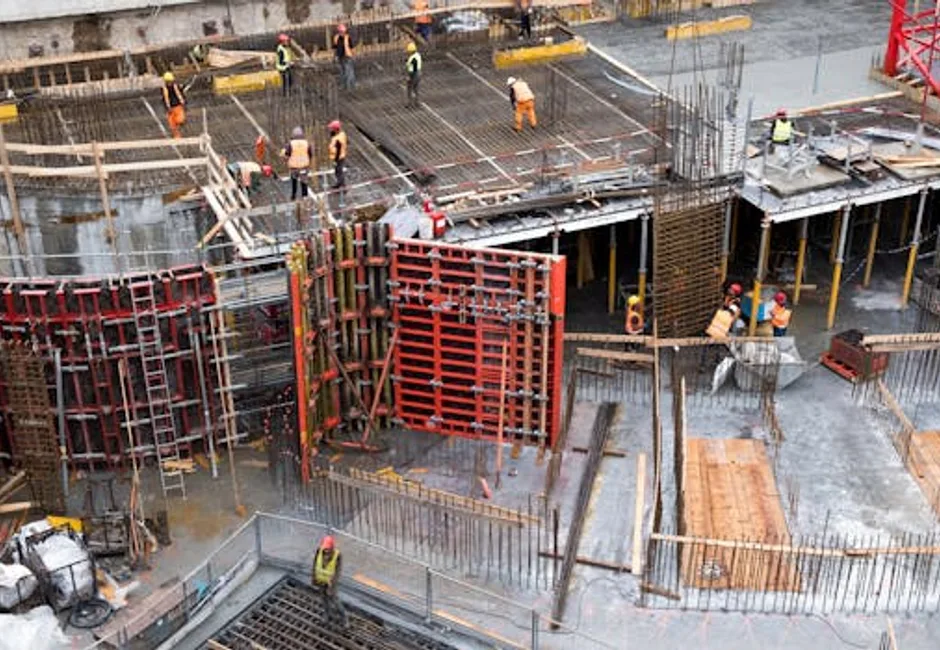
The real estate sector in Syria has historically been considered a safe haven for savings, and with talk of reconstruction, attention is once again turning towards this sector. Experts estimate that the cost of building one square meter (shell and core) may range between 2.5 million to 4 million Syrian Pounds, depending on the region and the quality of materials used. This significant increase in costs has made home ownership a real challenge for the average citizen, but at the same time, it has opened wide doors for contracting companies and building material traders.
The activity of the construction sector means stimulating more than one hundred related professions, from cement and iron manufacturing all the way to finishing works and electricity. This activity contributes to reducing unemployment rates, as it provides thousands of job opportunities daily. However, the challenge remains in the market's ability to absorb these housing units at prices commensurate with general income, which pushes some to search for other investment alternatives such as gold to protect the value of their money from inflation resulting from the rising costs of imported materials.
The Impact of Investments on the Daily Life of the Citizen
When we speak of an investment worth billions of Syrian Pounds, the citizen always seeks a tangible outcome in their pocket and in the prices of food goods. Investments in the agriculture and processing industries are likely to increase the supply of local materials, which could contribute to stabilizing the prices of some essential goods. For example, investing in modern greenhouses or oil production factories could reduce reliance on imports, thereby alleviating pressure on the demand for foreign currencies, which would indirectly reflect positively on the exchange rate.
However, it cannot be overlooked that the initial stages of reconstruction may be accompanied by temporary inflationary waves resulting from increased demand for raw materials and labor. Therefore, citizens currently feel economic pressures due to the gap between wages and living costs, as the average family needs significant financial amounts monthly to secure basic needs. The balance here lies in the speed at which these investments transform into actual production that enters the local market and reduces costs for the final consumer.
Local Industry and Supply Chains: The Lifeblood
Industrial zones in various Syrian governorates represent the cornerstone of any genuine reconstruction process. The return of factories to production, especially those that rely on local raw materials, will define the features of the upcoming phase. Currently, industrialists face challenges related to energy costs (diesel and industrial electricity), as these costs constitute a large percentage of the final product's price. So when the price of a liter of industrial diesel rises, that is immediately reflected in the price of the commodity in the small shop in the neighborhood.
Investment in solar power stations for factories has begun to emerge as an alternative and sustainable solution. Although the initial cost of these stations is very high in Syrian Pounds, they provide stability in production in the long term. The success of this experiment will mean national products at competitive prices, which the local market desperately needs to reduce the import gap and support exchange rate stability by reducing the need for foreign currency to finance foreign purchases.
Future Outlooks: Between Ambition and Economic Reality
Looking ahead, analysts expect the pace of investments to continue its gradual ascent, especially with greater clarity in the legislative vision. However, the success of this process remains linked to the banking system's ability to keep pace with these transformations and provide genuine credit facilities. The Syrian citizen, accustomed to saving through gold or real estate, today needs more diverse investment channels that guarantee rewarding returns and protect the value of their savings.
Finally, the process of reconstruction and investment in Syria is not merely figures in company budgets, but a complex path where social and economic aspects intertwine. To the extent that these investments succeed in creating jobs and increasing production, we will witness a gradual improvement in living standards. The path still requires efforts to overcome logistical and financial obstacles, while maintaining a realistic distance from overly optimistic expectations, to ensure the construction of a robust economy capable of confronting ongoing global changes.