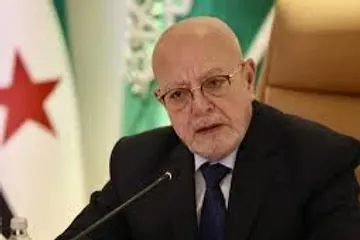
Economic relations between Syria and Germany have recently witnessed an important development, represented by the visit of President Al-Shara to the Syrian-German Business Council. This visit, according to issued reports, is not just ordinary diplomatic meetings; rather, it is a practical step confirming that the economic relationship between the two countries is moving from the stage of talk and planning to the stage of actual implementation on the ground. Imagine it as if you were planning a long trip with a friend, discussing destinations and details, and suddenly, you are booking tickets and packing bags. This is the essence of what is happening now.
What does the practical phase mean for the Syrian citizen?
When we talk about an "operational phase" in the economy, we mean that real and tangible steps will begin soon. This means, for example, that German companies may start looking more seriously at investing in Syria, or increasing trade exchange. Think of it like a small workshop in Damascus or Aleppo; when this workshop acquires new machinery or better raw materials from abroad, the quality of its products improves, and it may be able to employ more workers and increase its profits. This is the same principle, but on a broader scale between two countries.
We are likely to see an increase in the flow of German goods into Syrian markets, which may provide better options for consumers at competitive prices. Furthermore, Syrian exports, whether agricultural products from rural Homs or industrial products, may find their way more easily to German markets, bringing hard currency (Euro) into the country. The entry of foreign currencies strengthens the Syrian Pound and helps stabilize commodity prices in the markets, which citizens directly feel in their daily purchasing power.
Expected positive effects on the Syrian economy
This step is expected to have multiple positive effects on the Syrian economy. Firstly, it may contribute to revitalizing some damaged industrial and agricultural sectors. For example, factories in Aleppo can benefit from modern German technology to increase their production and improve its quality, which creates new job opportunities for youth. Secondly, these relations can increase the confidence of other investors in the Syrian economy, encouraging them to inject funds into new projects in areas like Latakia and Tartus, which are considered important gateways for trade.
Thirdly, this cooperation would support the Syrian government's efforts to provide the market's basic requirements and help stabilize prices. When goods are available in abundance and with high quality, monopolies decrease and competition increases, which serves the citizen's interest. Imagine that a certain type of essential car spare parts was rare and expensive, and with these new relationships, it becomes more available and at a better price. This simple example illustrates how the reality of daily life can change.
Forecasts for the future of the Syrian Pound
The Syrian Lira is considered the focus of every citizen's attention, and any positive development in the economy has a direct impact on it. When Syrian exports increase and foreign currencies flow into the country, the supply of euros and dollars in the market increases, and this helps to strengthen the Syrian Lira. Think of it like a person who owns a wallet; the more diverse funds it contains, the greater their financial strength. This stability in the exchange rate means that prices in the markets will be more stable, and the value of a citizen's savings will not erode as quickly.
This economic cooperation is likely to play a role in attracting foreign direct investments, which, in turn, increases demand for the Syrian Pound and supports its value. It is a positive economic cycle; more investments mean greater production, more jobs, and a stronger currency. This visit, and the statements that followed, send a message of hope that Syria is moving towards a more stable and prosperous economic future, and that the Syrian citizen will reap the benefits of this cooperation in their daily lives.