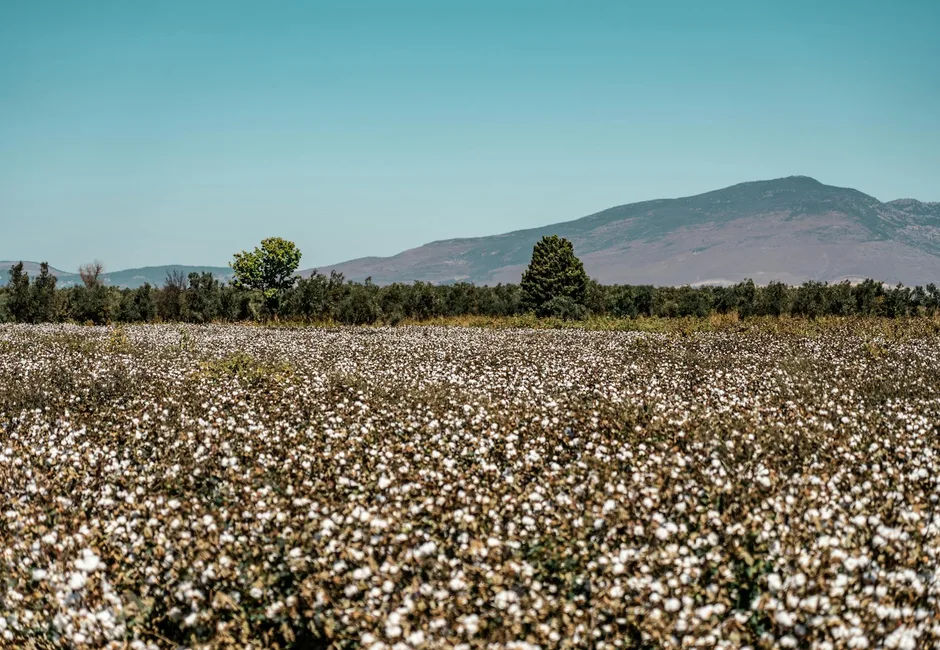
Prominent Syrian businessman, Faysal Al-Attari, has raised fundamental questions about the future of the cotton crop in Syria, calling for a clear vision regarding this important economic resource. This inquiry comes at a time when the country is facing immense economic challenges, making any discussion about a strategic crop like cotton of utmost importance for the Syrian citizen and the national economy.
Syrian Cotton: A History of Glory and an Uncertain Future
Syrian cotton has long been known as 'white gold' and was one of the fundamental pillars of the national economy for many decades. In previous seasons, Syria's cotton production reached record levels, exceeding 1,000,000 tons in some years, making it a major source of hard currency and a feeder for thriving textile industries in cities like Aleppo and Homs. Cotton cultivation and its industry formed an integrated value chain, providing job opportunities for hundreds of thousands of Syrians, from farmers in the plains of Raqqa, Deir ez-Zor, and Hama to factory workers.
Today, Syrian cotton faces a different reality. According to available reports, cultivated areas and crop production have witnessed a significant decline in recent years, with current figures expected to be much lower than their historical peak. This decline is attributed to several factors, including lack of support for farmers, irrigation challenges, and the high cost of production inputs. This situation raises legitimate concerns about Syria's ability to restore its position as a major producer and exporter of cotton.
The Impact of Cotton's Fate on the Citizen and the Syrian Pound
The fate of Syrian cotton has direct repercussions on the life of the Syrian citizen. Firstly, regarding employment opportunities, the decline in cotton cultivation means a potential loss of thousands of jobs in the agricultural and industrial sectors. Farmers who rely on this crop to secure their income, and workers in spinning and weaving factories that depend on cotton as a raw material, will find themselves facing real economic challenges, which affects their purchasing power and standard of living.
Secondly, cotton is closely linked to the stability of the Syrian Pound. If raw cotton is exported at low prices, or if production quantities significantly decline, this means a lower inflow of foreign currency into the country. This is likely to place additional pressure on the exchange rate of the Syrian Pound against foreign currencies, leading to a rise in the prices of imported goods and an erosion of citizens' purchasing power. Conversely, utilizing cotton domestically and manufacturing it into high value-added products before export enhances hard currency revenues and supports the stability of the Pound.
Thirdly, the local industry is directly affected. Syrian textile factories, which were once pioneers in the region, need local cotton as a fundamental pillar for their operation. In case of a shortage of raw cotton, these factories may be forced to import cotton at higher prices, which increases production costs and reflects on the prices of local textile products, or it may lead to some factories ceasing operations, leaving the market vulnerable to imported products which may be more expensive or of lower quality.
Opportunities and Challenges: Proposed Strategies for Advancing Cotton
Despite the challenges, opportunities still exist to revive the Syrian cotton sector. This requires a comprehensive national strategy that begins with supporting farmers by providing improved seeds, water, and fertilizers at suitable prices. Additionally, rehabilitating irrigation canals and utilizing modern agricultural technologies can contribute to increasing productivity. Investing in local spinning and weaving factories is expected to have a pivotal role in achieving added value for cotton instead of exporting it as a raw material.
Advancing the Syrian cotton sector is not merely an economic issue, but an integral part of restoring the health of the Syrian economy as a whole. Developing a clear vision for this strategic crop, from cultivation fields to global markets, is likely to enhance economic security, create job opportunities, and support the stability of the Syrian Pound, positively impacting the life of every Syrian citizen. Addressing Mr. Al-Attari's questions requires the concerted efforts of all relevant parties to put 'white gold' back on the path of recovery and prosperity.