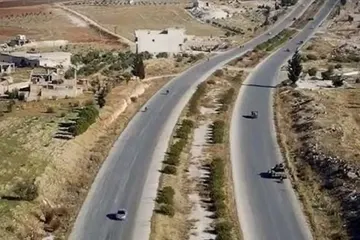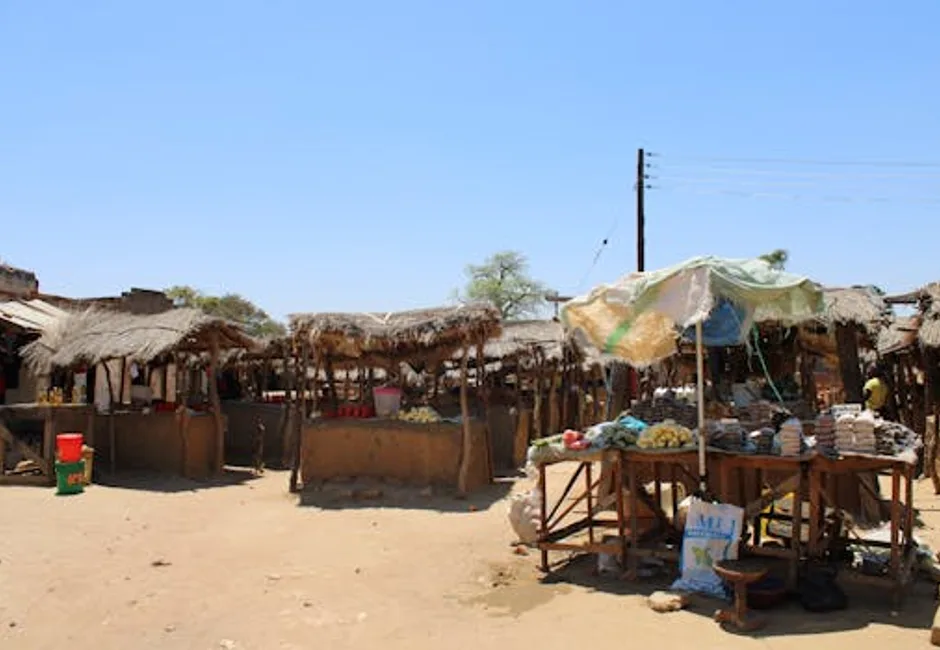
Commercial circles and local markets have recently circulated news about an intention to regulate or close some border crossings in certain areas, a development that has raised many questions among the ordinary Syrian citizen regarding the repercussions of this step on their daily livelihood. Economically, these crossings are considered the arteries that supply markets with goods and commodities that are not produced locally, or that enter as raw materials for national industries. Therefore, any change in the status of these crossings requires a calm and balanced analysis, free from emotional reactions, to understand how prices will move and how supply and demand will be affected in the coming period.
The Syrian economy, like other economies, relies on a delicate balance between exports and imports. When discussing the closure of border crossings, we are directly talking about a change in supply chains. This change may entail significant challenges, but at the same time, it may open up other opportunities if dealt with through economic flexibility. In this article, we will delve into the details of this decision and its expected effects on the local market, the Syrian Pound, and consumer purchasing power.
The Impact of Goods Movement on Local Markets and Commodity Prices
The first thing that comes to a citizen's mind when hearing news of a border crossing closure is price increases. In reality, a segment of Syrian markets depends on goods entering through these crossings, whether foodstuffs, clothing, or household items. The closure of these crossings means a sudden decrease in the supply of these goods. According to simple economic laws, when supply decreases while demand remains constant, prices tend to increase. For example, if the price of an imported liter of sunflower oil is approximately 22,000 Syrian Pounds, it could rise by 10% to 15% in the event of supply shortages, reaching around 25,000 Syrian Pounds.
However, there is another side to this process; the closure may push traders to seek alternatives through other outlets or rely more heavily on local production. The challenge here lies in the time it takes the market to adapt to these changes. Traders who have sufficient stock may try to raise prices in anticipation of the future, which is known in economics as anticipated inflation. Therefore, it is likely that we will see fluctuations in consumer goods prices during the first weeks of the decision's implementation, before things stabilize based on alternative supply methods.
The Syrian Pound and Exchange Rate Challenges Amidst Border Changes
The Syrian Pound exchange rate is closely linked to foreign trade movement. When crossings close, the demand for foreign currencies needed to finance import operations from those sources is affected. On the positive side, the halt of imports through these outlets may lead to reducing pressure on dollar demand in the local market for a brief period, which may contribute to a kind of temporary stability for the exchange rate, which currently ranges around levels of 14,500 to 14,800 Syrian Pounds per dollar.
However, on the other hand, there is a challenge related to the cost of shipping and insurance via alternative routes. If traders are forced to use longer or more complex routes, the cost of the final good will increase, which renders the stability of the exchange rate meaningless for the end consumer. For the citizen, it's not just the dollar price that matters, but rather what their liras can buy from the market. The balance between reducing demand for hard currency and providing goods at a suitable price is the toughest equation facing the local economy in light of decisions to close crossings.
Opportunities for Local Industry and Addressing the Shortage of Raw Materials
The closure of crossings may seem like negative news on the surface, but it carries a golden opportunity for Syrian industrialists and producers. The absence of competition from imported goods across the borders can allow Syrian products to gain greater traction in the local market. Clothing, footwear, and some locally manufactured plastic and food products may become more widely available in retail outlets. This shift can revitalize small and medium workshops, increase job opportunities, and stimulate the domestic economy.
Conversely, the major challenge lies in securing raw materials. Many local industries depend on imported raw materials through those channels. If the supplies of these materials stop, factories may face the risk of halting operations or reduced productivity, which in turn leads to increased production costs. For example, if the cost of raw materials used in detergent manufacturing increases by 5,000 Syrian Pounds per kilogram, this rise will directly reflect on consumers' pockets. Therefore, benefiting from the opportunity to protect local products depends entirely on the ability to secure sustainable alternatives for raw materials at reasonable prices.
The impact of the decision on purchasing power and the citizen's daily life
The Syrian citizen, who struggles to balance their income with their needs, is primarily affected by any decision concerning the crossings. The monthly income, which for an average family may range between 300,000 and 500,000 Syrian Pounds, comes under severe pressure when any surge in prices occurs. The closure of the crossings may mean families are forced to reorder spending priorities. So instead of buying fruits or sweets whose prices may rise due to supply shortages, the focus will be more on locally available grains and legumes.
Realistically, the market is expected to test the waters in the first days of the decision. Local markets are highly sensitive to news, and price movements often precede the actual economic reality. We are likely to see price variations between one region and another, and between one shop and another, which necessitates increased consumer awareness and a search for more affordable alternatives. Maintaining price stability requires collaboration between regulatory bodies and traders to ensure these circumstances are not exploited to unjustifiably raise profit margins.
Future Outlook: How will the market adapt to the new situation?
In conclusion, the decision to close border crossings with Turkey or any other party remains a step with deep economic dimensions. The Syrian economy is likely to witness a phase of restructuring in trade routes. We may see greater activity in seaports or other land crossings to compensate for the shortfall. Furthermore, investment in local agriculture to secure food and provide alternatives for imports will become a necessity, not a luxury.
A balanced perspective suggests that the challenges of potential price increases and the shortage of some goods are real risks, but the ability to transform this crisis into an opportunity to support national production is the available way out. The exchange rate will remain the sensitive indicator whose movement everyone is monitoring, as it is expected to continue in a state of cautious stability unless major demand shocks occur. The reliance always remains on the resilience of the Syrian merchant and the adaptability of the citizen, with the hope that these regulatory measures will ultimately lead to a more stable and clear economic environment for everyone.