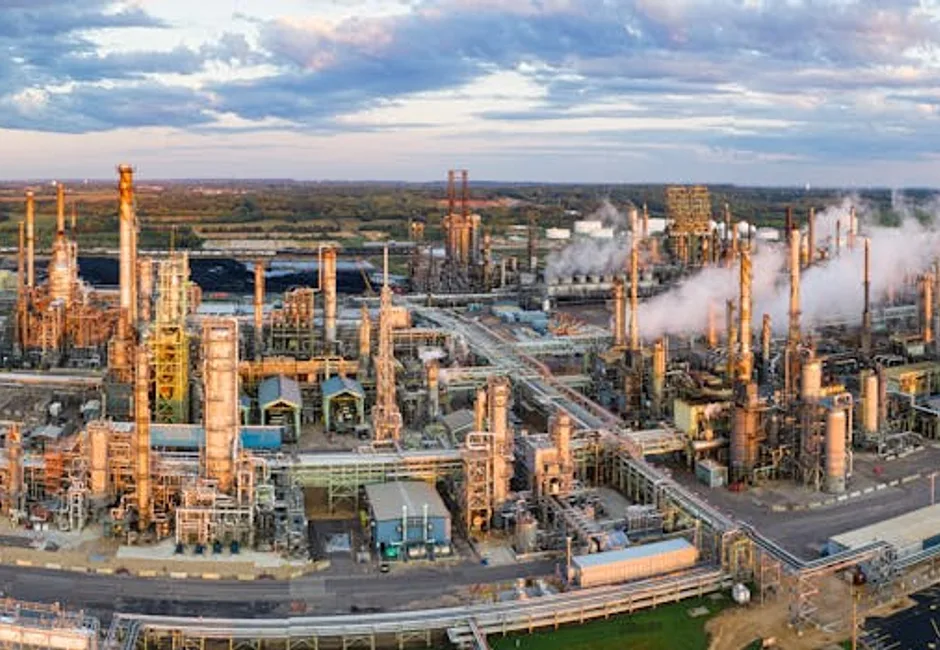
Economic circles have recently circulated important news regarding the sisterly Republic of Iraq beginning the process of exporting crude oil through Syrian territories. This step, considered a remarkable development, raises many questions about the nature of its impact on the Syrian economic landscape in general, and on the life of the Syrian citizen in particular. On the Syrian Pound Today website, we aim to analyze these repercussions in depth and with clarity, free from any complexities, to provide a comprehensive and understandable picture for all.
New Economic Artery: Preliminary Details
The news, rephrased here, indicates that Iraq has actually begun pumping part of its oil production through the Syrian network. This process, even though it is in its initial stages, is considered a revival of a vital route that had a historical role in connecting regional energy markets. Large quantities of crude oil are expected to be transported via pipelines that cross major Syrian cities, reaching potential export points on the Syrian coast, such as the ports of Baniyas or Tartus. This step represents an implicit recognition of the importance of Syria's geographical location and the capacity of its oil infrastructure, even after the challenges it has faced.
How does the flow of oil affect the Syrian citizen's pocket?
Perhaps the most pressing question is: How will this development reflect on the daily life of the Syrian citizen? The answer lies in several aspects. Firstly, the passage of Iraqi oil is likely to lead to an improvement in the availability of petroleum derivatives within the Syrian market. With the increase in oil movement, a portion of this oil, or a portion of the transit fees that Syria receives, may be allocated to secure the local market's fuel needs. This means a potential reduction in the long queues in front of fuel stations in Damascus, Aleppo, Homs, and other cities, and greater availability of diesel fuel, which is used for heating, transport, and operating electricity generators.
Secondly, improved fuel availability may be reflected in the electricity sector. Thermal power plants that rely on fuel for power generation, such as the Baniyas, Homs, and Aleppo plants, may find a more stable and consistent supply. This, in turn, may lead to an increase in electricity supply hours, reducing the reliance of households and establishments on expensive private generators, and alleviating the financial burdens associated with purchasing fuel to operate them. According to reports, any improvement in the energy sector is considered a strong boost for many productive and service sectors.
Syrian Pound and the Economy: Expected Gains
On the macroeconomic front, the process of Iraqi oil transit through Syria has an important dimension. This process is expected to generate foreign currency revenues for Syria, represented by transit fees paid for the use of land and infrastructure. These revenues, although currently estimated, can contribute to strengthening the foreign currency reserves of the Central Bank of Syria. With the strengthening of reserves, the bank's ability to intervene in the foreign exchange market to support the stability of the Syrian Pound increases, which may limit exchange rate fluctuations and contribute to overall price stability.
In addition, this step could open up prospects for new job opportunities, especially in the transport, maintenance, and logistical security sectors associated with pipelines and terminals. These jobs, even if limited initially, may provide income for some Syrian families and contribute to stimulating the Syrian economy, even partially. Furthermore, the activation of trade and services related to this project could benefit numerous small and medium-sized enterprises.
Promising Opportunities for the Economic Future
In conclusion, it can be said that Iraq's commencement of oil exports via Syria represents a potential positive turning point. This project is likely to have gradual but noticeable effects in the medium and long term. These range from improving the availability of fuel and electricity, to supporting the stability of the Syrian Pound through foreign currency revenues, and extending to creating job opportunities and stimulating some economic sectors. The challenge remains in how to manage this opportunity to achieve the maximum possible benefit for the citizen and the Syrian economy as a whole, and to develop this economic partnership in a way that serves the interests of the two brotherly countries in achieving stability and growth.